





reduction gear
A Practical Insider’s Guide to gear module selection If you’ve ever sat through a design review agonizing over tooth counts and center distances, you know this topic gets real, fast. In the last two years, I’ve seen more teams move to powder-metallurgy gears for compact drives, mainly because cost and repeatability matter. And yes, gear module selection is the fulcrum—get it right and everything else clicks into place. Industry trend check Designers are prioritizing lower noise, lighter weight, and shorter lead times. Powder metallurgy (PM) sintered gears hit a sweet spot for small-to-medium modules (≈0.3–4). In fact, EV auxiliaries, smart appliances, and handheld tools are quietly standardizing on PM gears where torque isn’t extreme but consistency is king. Product snapshot: OEM sintered gear Origin: TIANSHAN INTERNATIONAL MANUFACTURING INDUSTRY PARK NO.57, YUANSHI, SHIJIAZHUANG CITY, HEBEI PROVINCE, CHINA. Technology: Powder Metallurgy. Many customers say the finish is surprisingly refined after sizing and polishing—noise results back that up. Parameter Spec (≈ real-world) Notes Material Standard MPIF 35, DIN 30910, JIS Z2550 PM steel grades per MPIF Density 6.2–7.1 g/cm³ Affects strength & noise Macro Hardness 45–80 HRA Post quench/steam treat Tensile Strength ≈1650 MPa Grade-dependent Yield (0.2%) ≈1270 MPa Typical PM alloy Surface Treatment Quenching, Polishing Optional: steam, machining Module Range ≈0.3–5 (custom) Application-driven How we think about gear module selection Torque & duty cycle: size the module with ISO 6336/AGMA 2001 calculations for bending/contact stress. Target noise: smaller modules with optimized micro-geometry can shave 2–4 dB in light-load drives. Density & hardness: higher density + proper quench increases pitting resistance noticeably. Process window: PM favors features like blind hubs, lightening pockets—cost stays flat vs machining. Process flow (real factory, not theory) Powder selection (per MPIF 35) → Compaction (Cpk-tracked) → Sintering (belt furnace, controlled atmosphere) → Sizing/coin → Heat treatment (quench/temper) → Finish (polish/ream) → 100% inspection (SPC, gear roll tests to ISO 1328). Typical service life: 1–5k hours in household gearmotors; >10k hours in lubricated reducers, depending on load and oil cleanliness—your mileage may vary. Applications and feedback Used in gearboxes, reducers, mixers/blenders, small e-axle auxiliaries, printers, and power tools. One appliance OEM reported a 18% cost reduction and 2.3 dB noise drop after switching to a PM module 0.8 gear with optimized lead crowning; another automation customer saw +22% life by moving density from 6.6 to 7.0 g/cm³ and revising module from 0.7 to 0.9—tiny tweak, big win. Vendor comparison (quick reality check) Vendor Module Range Density Lead Time Certs Notes JSSintering OEM Sintered Gear ≈0.3–5 6.2–7.1 g/cm³ 4–6 weeks (typ.) ISO 9001, IATF 16949 (on request) Great for volume, complex shapes Machined Steel Gear Shop 0.5–12 Fully dense 2–10 weeks Varies Best for heavy torque, low volumes MIM Gear Supplier ≈0.3–1.5 High (near full) 6–8 weeks ISO 9001 Super fine features; cost rises with size Testing, standards, and data Gears are validated with involute/lead/runout to ISO 1328 (grades 8–10 common for PM), material per MPIF 35, and load capacity per ISO 6336 or AGMA 2001. Typical roll-test Cp/Cpk ≥1.33; hardness HRA 45–80; retained austenite checked after quench. Noise tested in semi-anechoic rigs; oil mist or grease selection can swing results by ±1 dB, to be honest. Customization pointers Co-design tooth count and module early; avoid “forced” center distances. Request density steps (6.6 → 7.0 g/cm³) to tune strength without retooling the whole design. Ask for micro-geometry tweaks (profile shift, crowning) tied to your load spectra. If you’re mid-spec and need a sanity check on gear module selection , get a quick sample run with two module candidates and A/B noise testing—you’ll thank yourself later. Authoritative citations ISO 6336: Calculation of load capacity of spur and helical gears. AGMA 2001-D04: Fundamental rating factors and calculation methods for involute spur and helical gear teeth. MPIF Standard 35: Materials Standards for PM Structural Parts. ISO 1328: Cylindrical gears — ISO system of accuracy. DIN 30910 / JIS Z2550: Powder metallurgy materials and testing references.


Powder Metallurgy: Innovations in Parts, Advanced Techniques, and Ferrous Applications
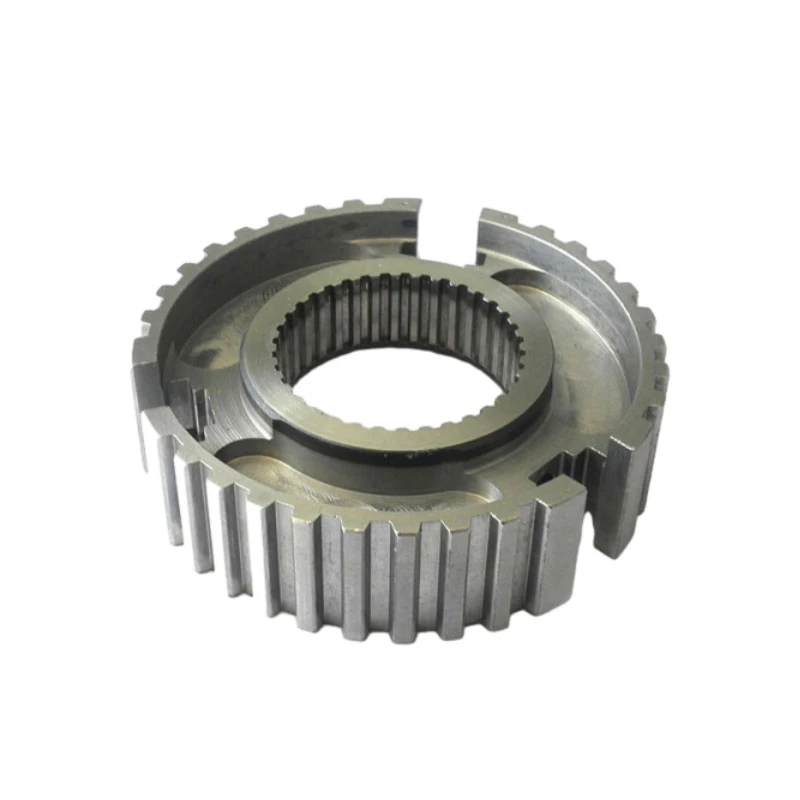
The advantages and disadvantages of powder metal and forgings Ⅰ

Air-Conditioning Compressor Part with Sintered Valve Disc?
Subscribe For Newsletter

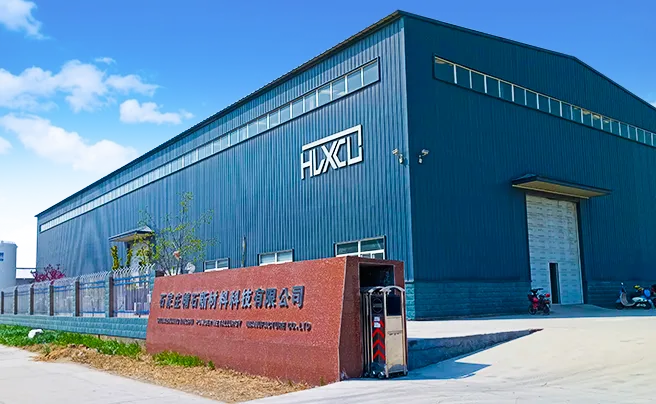
Shijiazhuang JingShi New Material Science and Technology Co., Ltd was founded since 2014, located in Shijiazhuang, Hebei province, China. The company covers an area of over 10,000 square meters and has


PRODUCTS

QUICK LINKS
CONTACT US
Address:TIANSHAN INTERNATIONAL MANUFACTURING INDUSTRY PARK NO.57, YUANSHI, SHIJIAZHUANG CITY, HEBEI PROVINCE, CHINA
Address:TIANSHAN INTERNATIONAL MANUFACTURING INDUSTRY PARK NO.57, YUANSHI, SHIJIAZHUANG CITY, HEBEI PROVINCE, CHINA